Trending

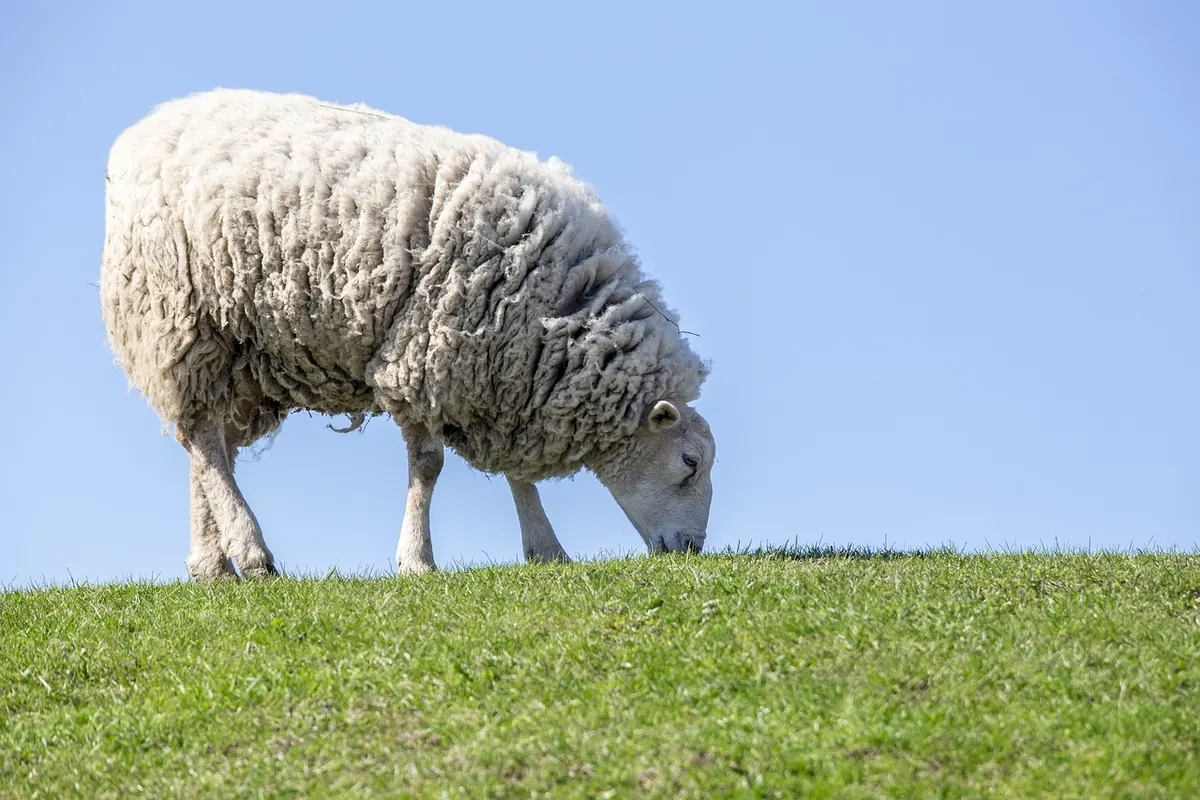
Turn over a ball band and you might read "British wool", "made in Britain", "spun in Yorkshire", or simply see a small Union flag. They sound interchangeable. They are not. Each one describes a different point in a chain that starts with a sheep on a hillside and ends with a skein in your basket, and the difference matters if you want your money to reach the farms and mills doing the work.
Every yarn has two origins: where the fibre grew, and where it was turned into yarn. A fleece can be grown in Cumbria, sent abroad to be scoured and spun, then dyed and wound in the UK. A completely different yarn can be grown in Australia and spun in a Yorkshire mill. Both can be described as "British" in a marketing paragraph without anyone telling a lie.
The chain usually runs like this: shearing, skirting and grading, scouring (washing), carding, spinning, dyeing, balling. In a small mill, most of those steps happen under one roof. In a larger supply chain, they can be spread across three continents, and the fleece may travel thousands of miles in between.
British Wool is a farmer-owned organisation that collects, grades and sells much of the UK's fleece. When you see its mark on a ball band or swing tag, it means the wool came from British farms and went through that grading system. That is useful information, but read it accurately: it is an origin and handling mark, not a promise of softness. A fleece can carry the mark and still come from a hardy hill breed better suited to a rug or a hardwearing jumper than a baby hat.
It also isn't the only route. Plenty of smallholders, rare-breed farms and mixed farms sell fleece directly to spinners or handspinners. Their yarn can be entirely British without ever carrying the mark. Absence of the logo is not evidence of imported fibre.
Made in Britain usually refers to where the last substantial stage of manufacture happened. For a yarn, that normally means spinning, or dyeing and balling. Yarn made here from imported merino is still legitimately made here — and a British fleece spun overseas is British in fibre but not in manufacture. "Spun in the UK from British wool" is the phrase that tells you both things at once.
Shearing is a cost, not an income, for many farms. Fleece prices are often low, and for some hill breeds the value of the clip barely covers the cost of getting it off the sheep. That is why the difference between a yarn that pays a proper price for British fleece and one that treats it as a by-product of meat production is felt at the farm gate.
When you buy traceable British wool, you are paying several people: the farmer, the grader, the scourer, the spinner, the dyer. When you buy a breed-specific yarn — a named Bluefaced Leicester or Shetland, from a named flock — you are also giving that farmer a reason to keep the flock, and the breed, going.
Breed is the single most useful thing to learn, because it predicts how a yarn will behave far better than the word "British" ever will.
Spinning method matters as much as breed. Woollen-spun yarn is airy, fuzzy and warm; worsted-spun yarn is smoother, denser and shows stitch definition. Two skeins from the same breed can feel like entirely different fibres if they were spun differently.
Start with one skein. Buy a breed-specific British yarn, knit a swatch,
Photo: Erik_Karits / Pixabay