Trending

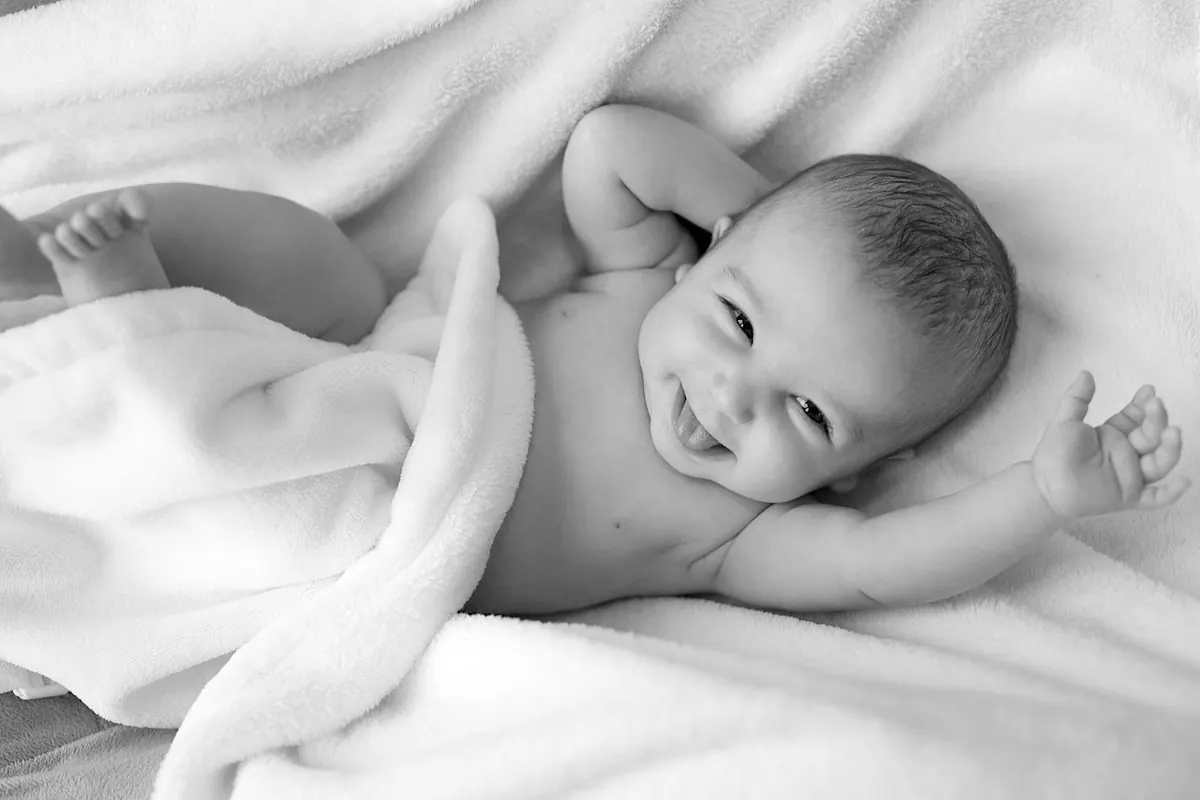
A baby blanket gets more use than almost anything else you will make. It goes in the pram, on the floor, over the car seat and into the wash, sometimes all on the same day. That is why the yarn matters at least as much as the stitch pattern, and why "softest" and "most practical" are not always the same fibre. Here is how to weigh up the options before you commit weeks of work to a project.
Ask any parent how often a baby blanket is washed and the answer will be measured in days, not months. A beautiful hand-wash-only yarn will spend its life folded in a drawer. Look for the words "machine washable" on the ball band, then check the temperature it asks for. Thirty degrees is common and perfectly adequate for a blanket that mostly collects milk, dribble and floor dust.
Wool that has not been treated to resist felting will shrink and matt in a warm machine wash, even on a gentle cycle, so "superwash" or "machine washable" on the label is not a marketing extra — it is the difference between a blanket and a felted placemat. Tumble drying is best avoided whatever the fibre: heat and tumbling break down fibres and distort stitches. If you want a blanket that can go through a hot wash, cotton or acrylic is the safer territory.
Acrylic is the workhorse of baby knitting. It is durable, machine washable, widely available in baby DK weights and holds colour well. The trade-offs are real: it can pill where the blanket rubs against the pram, it is less breathable than natural fibres, and some budget acrylics feel squeaky on the hands. As an everyday pram or car blanket that will be washed constantly, it is hard to beat on value.
Cotton is cool, breathable and completely free of the lanolin that irritates some babies' skin. It is the natural choice for a summer blanket or a pram cover for a spring baby. Be aware of its limitations before you cast on: cotton has very little stretch, so it is harder on wrists and fingers over a large project, and pure cotton can feel stiff until it is washed. It is also heavier than wool or acrylic for the same size of blanket.
Bamboo-derived yarns are smooth, drapey and cool to the touch, which makes them lovely for summer blankets and for babies with sensitive skin. On their own they can stretch out of shape under their own weight, so a blend with cotton gives you the softness with a bit more stability.
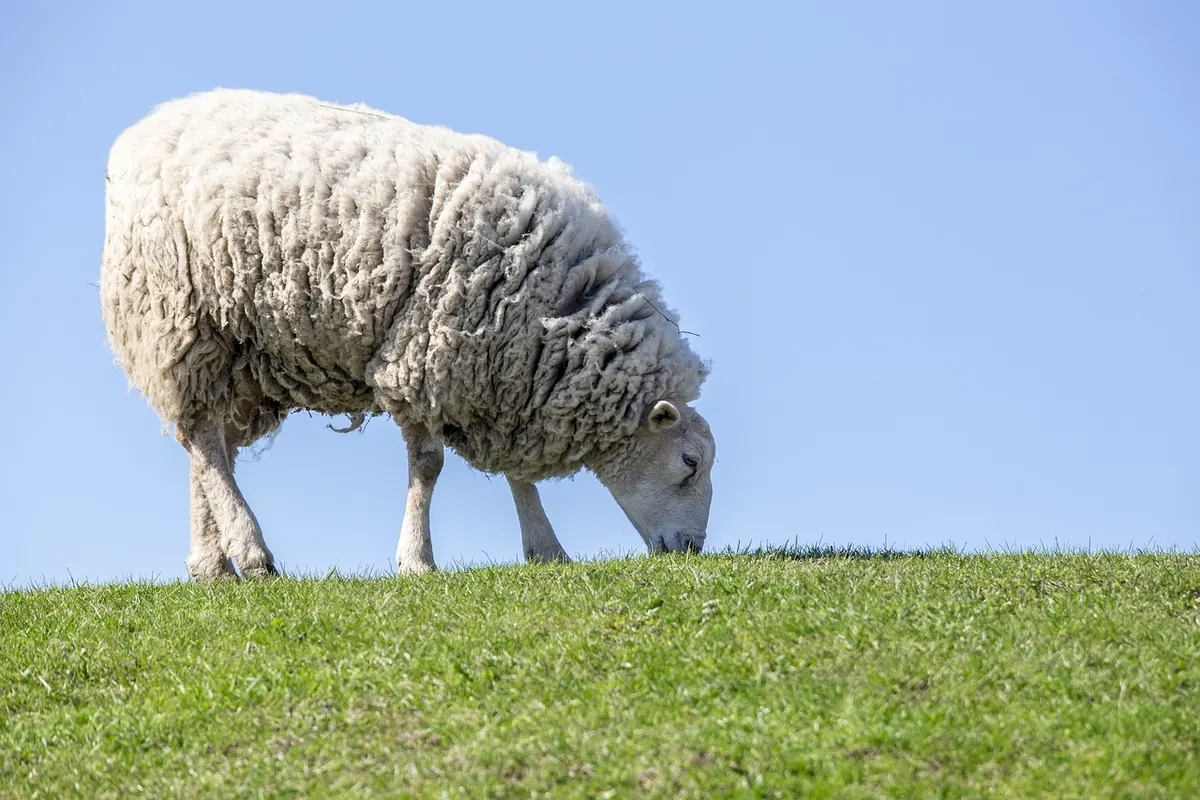
Fine merino is warm, breathable and regulates temperature well, which is why it is the traditional choice for anything worn next to the skin. Baby merino yarns are spun from finer fibres and feel soft rather than prickly. Treat superwash merino as a genuine option for a blanket: it washes in the machine, though a cool cycle and a flat dry are still kinder to it.
These add softness and a lovely halo, usually as a small percentage in a blend. They also shed, which matters for something that ends up near a baby's face, and many are hand wash only. A little alpaca in a wool blend is a pleasure. A whole blanket of mohair is not a practical gift.
Eyelash yarns and anything with a long, loose pile shed fibres and mat into tangles in the wash. Skip them for baby projects, however pretty they look on the shelf.
Look at the baby section of any yarn shop and you will find that the bestsellers are blends: acrylic with cotton, cotton with bamboo, wool with acrylic, sometimes a small percentage of nylon for durability. Blends exist because no single fibre does everything. Acrylic-cotton gives you machine washability with a softer, more breathable handle than acrylic alone. Wool-acrylic keeps some of wool's warmth while making the blanket far easier to launder. A blend of roughly half and half usually behaves like a gentler version of both fibres, which is exactly what a blanket needs.
British knitters are well served here. Sirdar's Snuggly range is built around baby projects and labelled machine washable, and comes in DK, aran and finer weights. Stylecraft Special DK and Stylecraft Bamboo are staples for blankets, with a huge colour range that makes stripes and colour-block designs easy. King Cole's bamboo-cotton and baby yarns are widely stocked in independent shops. Drops is sold by several UK online retailers and offers baby merino and cotton-blend options at accessible prices. James C Brett, Wendy and Paintbox sit in similar territory, and West Yorkshire Spinners is worth a look if you want British wool as part of the story.
Ranges change and websites are not always up to date, so treat the ball band in your hand as the final word. Independent yarn shops will usually let you squish a ball before buying and can suggest substitutes if a yarn has been discontinued. Supermarket and value-range baby yarns are perfectly serviceable for an everyday blanket; spend more where softness next to skin matters most.
Some babies react to wool or to the lanolin in it, and babies with eczema may find any textured fibre uncomfortable. If you are knitting for someone else's baby, ask the parents first, and lean towards cotton or acrylic if you are unsure. For persistent skin problems, a GP or health visitor is the right person to ask, not a yarn label.
For an everyday pram blanket, choose a machine-washable acrylic or acrylic-cotton DK; buy enough for the size you want and add one ball for safety. For a summer or newborn blanket, go with cotton or a cotton-bamboo blend in a soft, light colour. For a keepsake, use superwash merino and accept that it will still need a cool wash and a flat dry. Whichever you pick, work a swatch, wash it, and then decide — that small square of knitted fabric tells you more than any description on a screen.
Photo: Pexels / Pixabay